- calendar_today June 7, 2026
In Ohio, consumer spending is holding steady even as rising fuel prices—driven in part by escalating tensions in Iran—reshape how residents approach everyday purchases. While overall expenditures remain stable, a closer look reveals significant shifts in shopping and dining behaviors across the state.
Adapting to Surging Fuel Prices
The Iran war has led to a spike in fuel prices nationwide, with Ohio motorists now facing prices at the pump exceeding $4 per gallon in many areas. This increase has prompted residents to seek out savings in new ways, such as opting for gas stations associated with warehouse clubs like Costco. Rather than filling up tanks with a full load, many drivers are making smaller, more frequent stops to manage cash flow and take advantage of club member discounts.
Shift in Grocery Shopping Routines
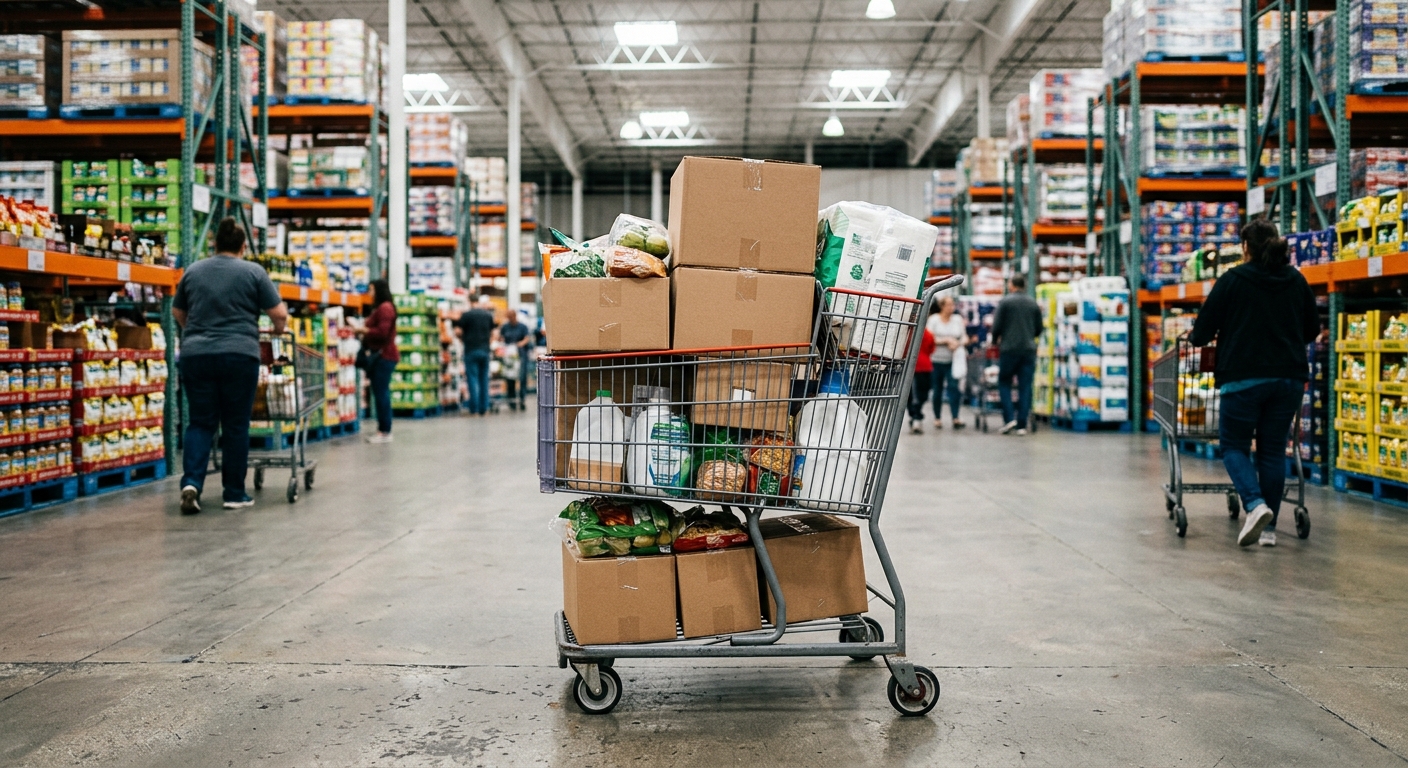
Amid uncertain economic times, local shoppers are changing their grocery shopping habits. Stores across Ohio report an uptick in bulk purchases, particularly for staples and household essentials. Many consumers are also sticking rigidly to shopping lists to minimize impulse purchases, prioritizing value and necessity over discretionary items.
Warehouse Clubs Draw More Fuel and Food Shoppers
The appeal of warehouse clubs extends beyond lower fuel prices. These retailers are seeing increased foot traffic as Ohioans buy groceries and household supplies in larger quantities. While fuel pumps at these locations are busier, data shows the typical transaction amount has decreased, indicating cautious spending even as consumers seek discounts.
Changing Landscape at Convenience Stores and Fast Food Chains
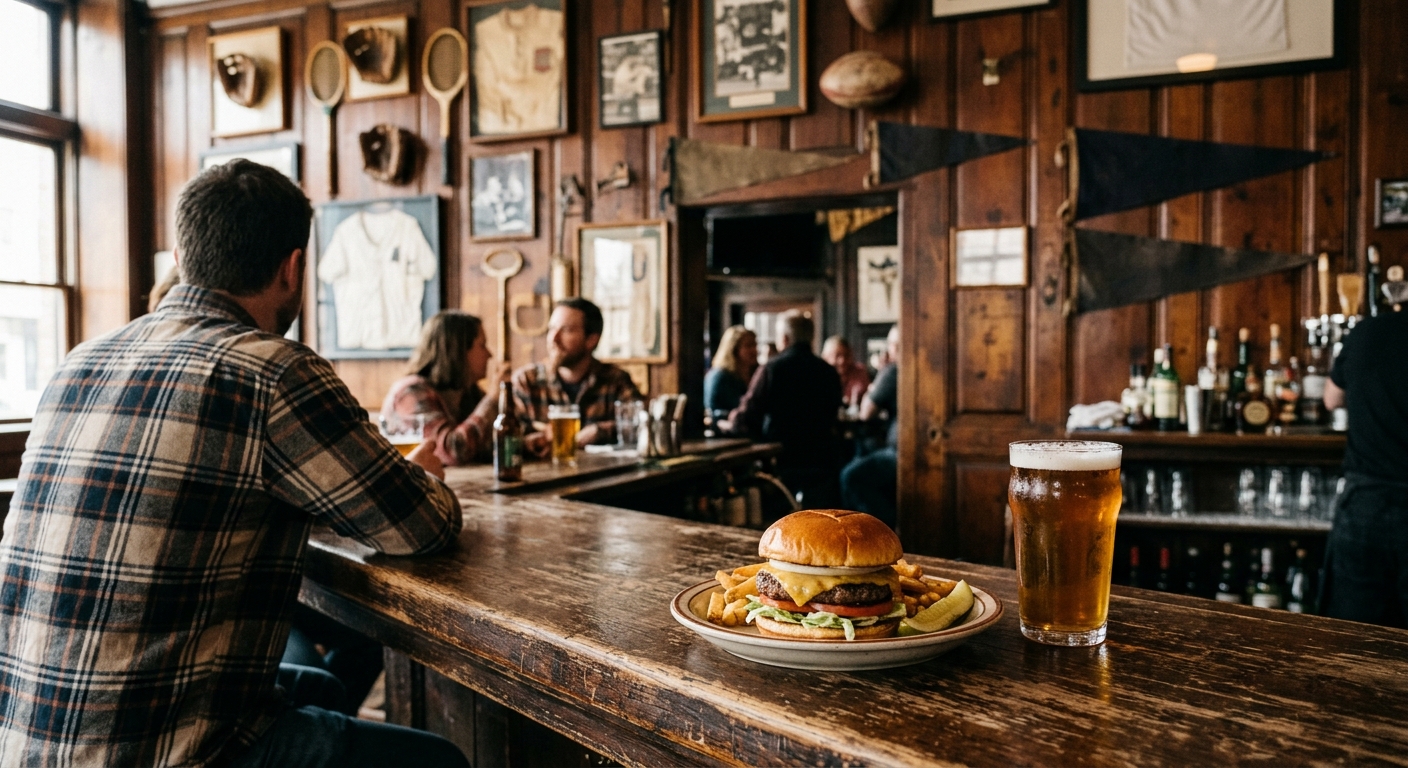
Meanwhile, convenience stores across the region are experiencing declining sales as more shoppers opt for intentional purchases elsewhere. The impact is especially pronounced at the register, with reduced nonessential buying such as snacks and beverages. Similarly, although dining out remains steady for the moment—thanks in part to tax refunds and higher menu prices—lower-income households are pulling back on visits to fast food establishments, citing elevated gas costs as a key reason.
Discretionary Spending Continues to Wane
Retailers focused on apparel and home goods are witnessing a continued decline in discretionary spending. Ohio residents are increasingly directing their dollars toward necessities, limiting expenditures on clothing and housewares. Instead, consumers gravitate toward retailers such as warehouse clubs, local grocery stores, and dollar stores, reinforcing a pattern of value-driven purchases.
Inflation Impact and the Path Forward
The overall inflation impact is evident throughout Ohio, where families are reevaluating everyday expenses to manage tighter household budgets. Analysts suggest that as the influence of tax refunds wanes and price pressures persist, local shopping habits will likely turn more cautious. Data from both regional and national retailers support these trends, pointing toward a sustained period of careful, necessity-focused consumer spending across the Buckeye State.
Ohio Communities Brace for Continued Economic Challenges
With the upcoming months likely to bring ongoing volatility in both fuel and grocery prices, businesses and families in Ohio are bracing for further adjustments. As consumer confidence reacts to persistent cost-of-living hurdles, the state’s retail landscape continues to adapt, underscoring Ohioans’ commitment to finding value and stability in an evolving economy.