- calendar_today August 8, 2025
Trade Wars, Tariffs, and the Future of Ohio’s High-End Cars
Introduction
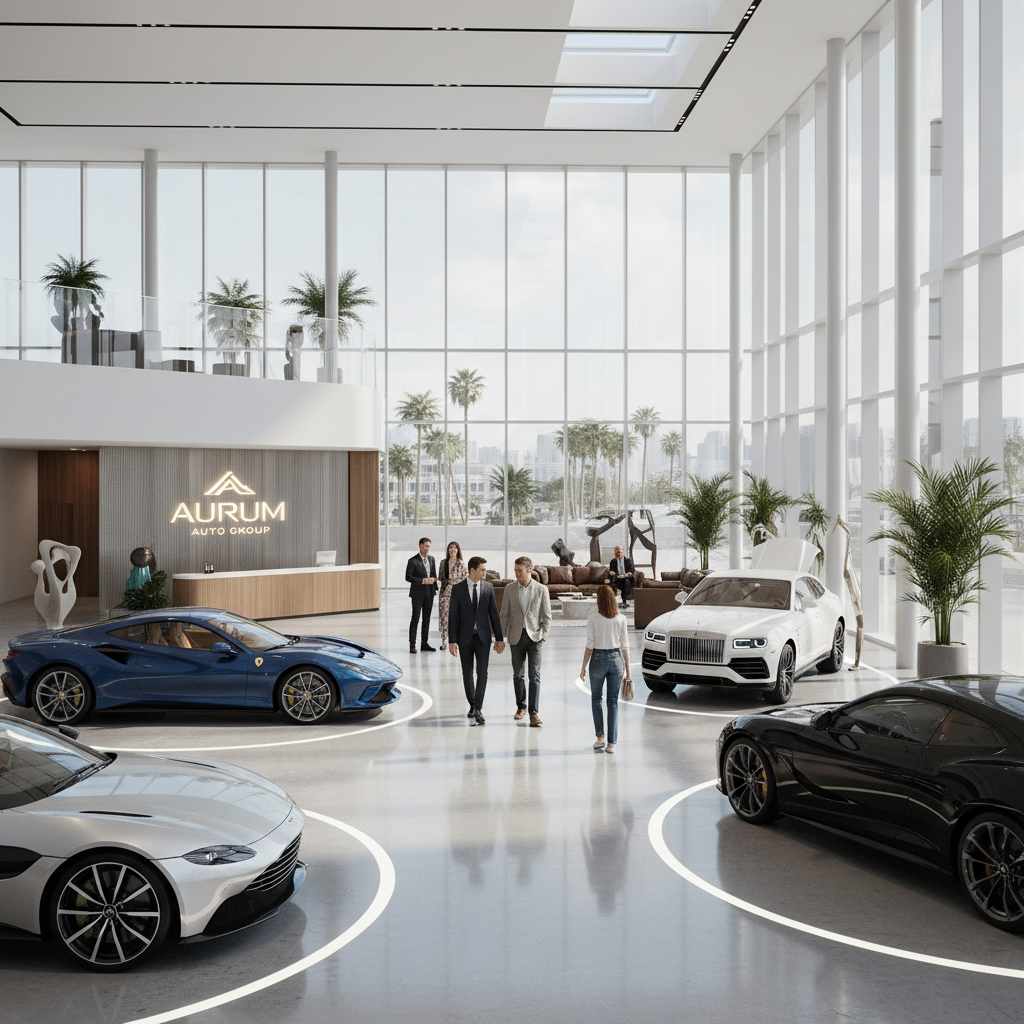
Ohio’s high-end auto market is being impacted by the trade policies of former President Donald Trump, as tariffs and trade wars continue to transform the sector. With higher costs on essential automotive imports, renegotiated trade deals, and efforts to boost domestic production, luxury brands like BMW, Mercedes-Benz, and Audi are experiencing pricing pressures and supply chain disruptions. The consequences are being felt by dealers, consumers, and industry players throughout the state.
Tariffs and Supply Chain Disruptions
One of the most notable trade policies implemented by the Trump administration was the imposition of steel and aluminum tariffs on foreign imports. These metals are crucial to the production of automobiles, and added costs have increased the price of production for luxury car makers. Businesses dependent on global supply chains, and especially those with European and Asian brands, have had to alter pricing or absorb additional costs.
Ohio, with its strong automotive industry having major production facilities in such cities as Toledo and Cleveland, has been hit hard. Columbus and Cincinnati dealerships are experiencing increased costs and delays in obtaining new luxury vehicles because of persistent supply chain shortages. Production has been moved by some brands to North America to help insulate them from risks, but the shift has been expensive and gradual.
Impact on Prices and Consumer Demand
Higher production costs have inevitably resulted in higher vehicle prices. Luxury car shoppers in Ohio have been experiencing increasing sticker prices, rendering high-end products less affordable. A number of manufacturers have tried to absorb some of these costs with incentives and loans, but total demand has loosened up, notably within price-sensitive parts of the luxury market.
Secondly, the pre-owned luxury car market has picked up business, with consumers who could have bought new models instead choosing to purchase pre-owned models. Dealerships around Dayton and Akron have observed sales of certified pre-owned BMWs and Audis picking up, which is indicative of a change in consumption habits across the board owing to escalation costs.
Trade Agreements and Manufacturing Strategy
Trump’s renegotiation of NAFTA in the form of the United States-Mexico-Canada Agreement (USMCA) imposed new demands on automakers, such as stricter North American content requirements and more stringent labor wage provisions. While these policies were intended to support domestic production, they have also introduced complexity and expense into manufacturing for luxury automakers, several of which have global supply networks.
European manufacturers with U.S. plants, including BMW in South Carolina and Mercedes-Benz in Alabama, have experienced operating difficulties as a result of these shifts. Ohio automobile dealers and suppliers are experiencing the ripple effects, with some noting longer lead times for vehicles and parts. Some manufacturers have reduced investment plans or rethought long-term strategies as a result of the changing trade landscape.
The Road Ahead: Will Policies Change?
With Trump suggesting a possible 2024 run and ongoing Republican control of trade policy, the auto industry continues to be in flux. Although the Biden administration has retained some of Trump’s tariffs, any change in leadership could further modify trade agreements and tariff structures. Ohio’s luxury auto market needs to remain nimble in anticipation of possible policy reversals or intensifications.
Conclusion
Trump’s trade policies have left a lasting mark on Ohio’s luxury car market, affecting everything from manufacturing expenses to consumer behavior. As automakers deal with tariffs, supply chain bottlenecks, and changing trade agreements, the industry’s resilience to change will shape its future stability. Whether policy adjustments bring relief or more trouble can be seen, but for the time being, Ohio’s luxury car market is still on an uncertain ride.