
- calendar_today August 10, 2025
The U.S.–China trade conflict took a significant turn in 2025, with the U.S. imposing aggressive tariffs on Chinese imports and foreign goods, including a 104% tariff on Chinese products and a 25% tariff on foreign automobiles. These tariffs have led to drastic market shifts, and Ohio—home to a diverse economy that includes manufacturing, agriculture, and technology—is feeling the impact.
On April 3, 2025, when the tariff measures were announced, global markets reacted swiftly. The Dow Jones fell by more than 2,200 points, and the S&P 500 dropped nearly 10%, signaling a volatile environment for investors across the U.S. Ohio’s local industries, particularly those tied to manufacturing and agriculture, are directly impacted by these changes. This article takes a closer look at how these tariffs are reshaping Ohio’s economy and offers strategies for investors to navigate this challenging period.
The Economic Impact of Tariffs on Ohio’s Key Sectors
Ohio’s economy is closely connected to several key industries, including manufacturing, agriculture, and technology. The tariffs are affecting these sectors in different ways, creating a complex landscape for local investors to navigate.
Manufacturing and Automotive
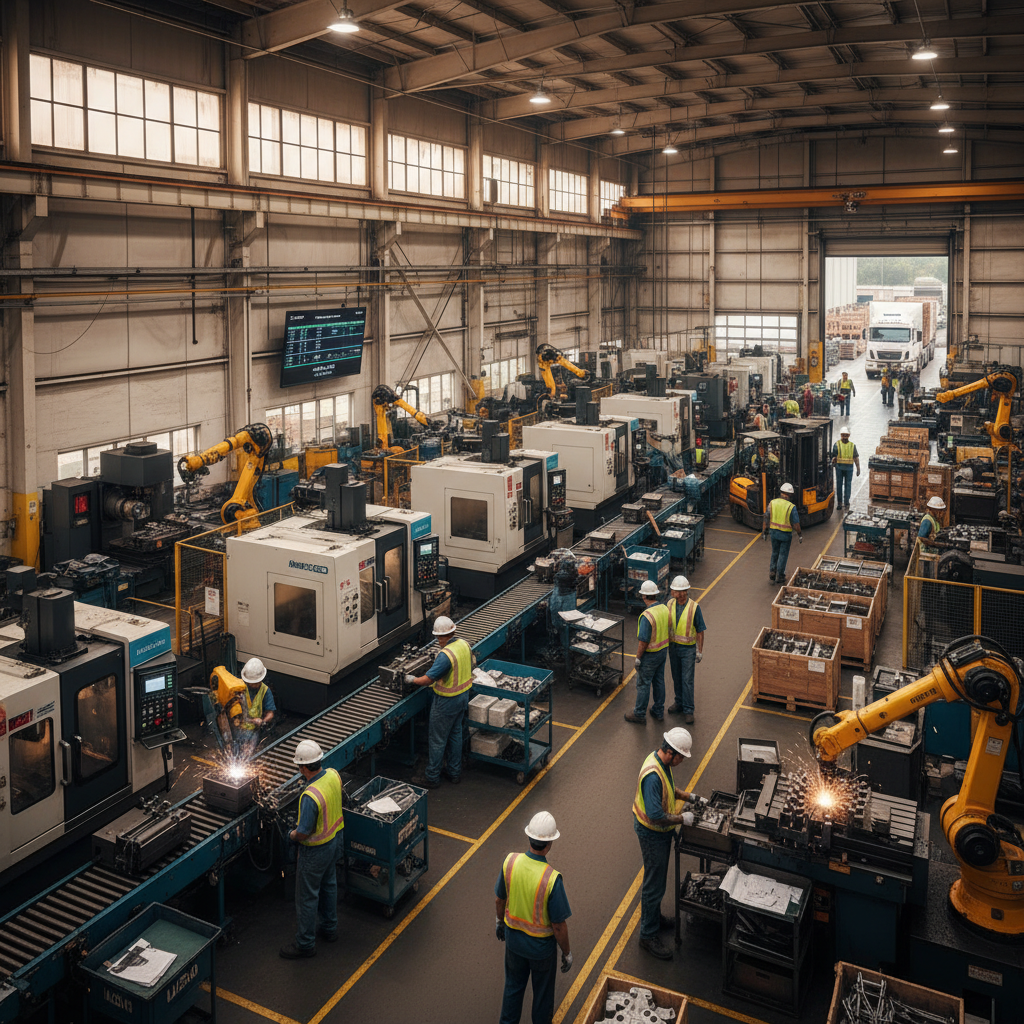
Ohio has a long-standing legacy in manufacturing, particularly in the automotive sector. Major manufacturers such as Ford, General Motors, and Honda operate large facilities in the state, and they are feeling the impact of the 25% tariff on foreign-made automobile parts. These tariffs are driving up production costs, which may lead to higher vehicle prices and a reduction in sales.
In addition to the automotive sector, Ohio’s steel and machinery manufacturing industries are being hit by the 104% tariff on Chinese imports. The cost of raw materials is rising, and local manufacturers that rely on imported goods are facing delays and increased production costs. This has caused some companies to reassess their supply chains and look for domestic alternatives, potentially leading to reshoring efforts. However, reshoring can come at a higher cost, raising questions about the short-term viability of this strategy for many Ohio manufacturers.
Agriculture and Raw Materials
Agriculture is a key component of Ohio’s economy, with the state being a major producer of corn, soybeans, and pork. The 34% tariff imposed by China on U.S. agricultural products is deeply affecting Ohio’s farmers, particularly those in rural areas who rely on exports to international markets. As demand for American agricultural products has fallen in China, Ohio’s farmers are struggling to find new markets.
The U.S. Department of Agriculture’s projections for agricultural exports have been revised downward, with agricultural exports for FY2025 forecasted at $170.5 billion, slightly higher than 2024 but still below expectations. For Ohio’s agricultural investors, this means slower growth and potential losses in the short term, as U.S. farmers compete with global suppliers for market share.
Technology and Innovation
Ohio is also home to a growing technology sector, particularly in cities like Columbus, where fintech, software development, and innovation hubs are on the rise. However, the 25% tariff on semiconductor imports is directly affecting Ohio’s tech industry, which relies on these components for a variety of products.
Companies like Intel and Nvidia, which supply chips to many U.S. tech firms, are facing rising costs and production delays. The tariffs on semiconductor chips have already caused tech stocks to dip, and local companies in Ohio are also feeling the effects. Ohio investors in the tech sector may want to reconsider their exposure to these companies, as the tariffs disrupt global supply chains.
Strategies for Ohio Investors Amid Tariff Volatility
Given the uncertainty caused by the tariffs, Ohio investors need to rethink their strategies to manage risks and uncover new opportunities. Here are several recommendations for investors in Ohio:
- Diversify Investments Across Resilient Sectors
Given the challenges facing sectors like manufacturing and agriculture, investors should consider diversifying their portfolios. Investing in more stable, domestically focused sectors such as infrastructure, healthcare, and renewable energy can help protect against global trade disruptions. - Invest in Safe-Haven Assets
With the increased market volatility, investors in Ohio may want to consider reallocating portions of their portfolios into gold, real estate investment trusts (REITs), and inflation-protected securities. These assets tend to perform well during periods of economic instability. - Watch for Opportunities in Reshoring and U.S. Manufacturing
The ongoing trade tensions may accelerate efforts to bring manufacturing back to the U.S. Ohio investors should monitor companies benefiting from reshoring, particularly in sectors like steel, machinery, and renewable energy. These industries could see growth as companies look to reduce reliance on foreign suppliers. - Reassess Technology Sector Exposure
Ohio’s technology sector may experience increased costs due to the semiconductor tariffs. Investors should consider reducing exposure to companies heavily dependent on foreign-made components. However, there could be opportunities in companies that are investing in reshoring their production or focusing on local manufacturing for tech components.
Opportunities Amid Uncertainty
While the 2025 tariffs have brought significant short-term challenges to Ohio’s economy, they may also present opportunities for long-term growth. As the trade war continues to reshape global supply chains, companies that focus on reshoring, domestic manufacturing, and sustainable technologies are well-positioned for future success.
For Ohio investors, adapting to the evolving trade environment requires strategic flexibility. By focusing on diversification, staying informed about policy shifts, and monitoring key sectors like manufacturing and agriculture, investors can navigate the volatility and potentially capitalize on emerging opportunities.