- calendar_today August 14, 2025
Ohio’s real estate market in 2025 is navigating a shifting economic landscape with cautious optimism. While interest rates have steadied, investors are now prioritizing long-term value over short-term gains. Across Columbus, Cleveland, Cincinnati, and mid-sized cities like Dayton and Toledo, the focus is on steady income, localized demand, and strategic diversification.
Seven key property types are emerging as top opportunities in Ohio this year. From urban housing to industrial growth, these sectors are showing resilience and profitability, even in a market still adjusting to post-pandemic realities.
Multifamily Housing: The Reliable Performer
In Ohio’s metro areas, multifamily housing continues to anchor investor portfolios. Class B and C apartment buildings are especially strong in cities like Cleveland and Columbus, where affordability challenges and high borrowing costs have slowed homeownership.
Neighborhoods such as Clintonville (Columbus), Tremont (Cleveland), and Over-the-Rhine (Cincinnati) are seeing low vacancy rates and stable rent growth. In more affordable cities like Akron and Youngstown, developers are finding success with mid-rise apartment buildings and workforce housing. With strong management and modest upgrades, investors are securing 3%+ annual rent increases, even in stable markets.
Industrial Properties: Still a Growth Engine
Ohio’s strategic location makes it a powerhouse for industrial and logistics real estate. The I-75 and I-70 corridors continue to attract distribution centers, warehouses, and cold storage operators. From Dayton to Groveport to Toledo, demand for industrial space remains high.
JLL’s 2025 Midwest report shows vacancy rates under 4% in key Ohio submarkets, with annual rent growth averaging 6–7%. The rise of e-commerce, local manufacturing, and investment in smart logistics—including AI-enabled warehouses—is fueling sustained interest among institutional investors and REITs.
Single-Family Rentals in Suburban Markets
Suburban single-family rentals (SFRs) are gaining momentum in Ohio’s growing outer metros. Areas around Columbus (like Westerville and Hilliard), Cincinnati’s suburbs (such as Mason and Fairfield), and northeast Ohio communities (like Mentor and Strongsville) are seeing rising demand.
According to Roofstock’s 2025 Investor Sentiment Index, Ohio ranks among the top Midwest states for expanding SFR portfolios. With reliable tenants, low turnover, and relatively affordable entry prices, SFRs offer investors a low-maintenance, income-generating asset in family-friendly markets.
Migration Within Ohio: Mid-Sized Cities Gaining Steam
While larger metros continue to lead, Ohio’s smaller cities are experiencing a quiet renaissance. Places like Lima, Mansfield, and Springfield are benefiting from population stabilization, local economic development, and federal infrastructure funding.
With property prices still below national averages, these mid-sized cities offer investors attractive cap rates and growth potential. Downtown revitalization and investment in public services are helping rebrand these markets as affordable alternatives to crowded metros.
Mixed-Use Developments & Downtown Revival
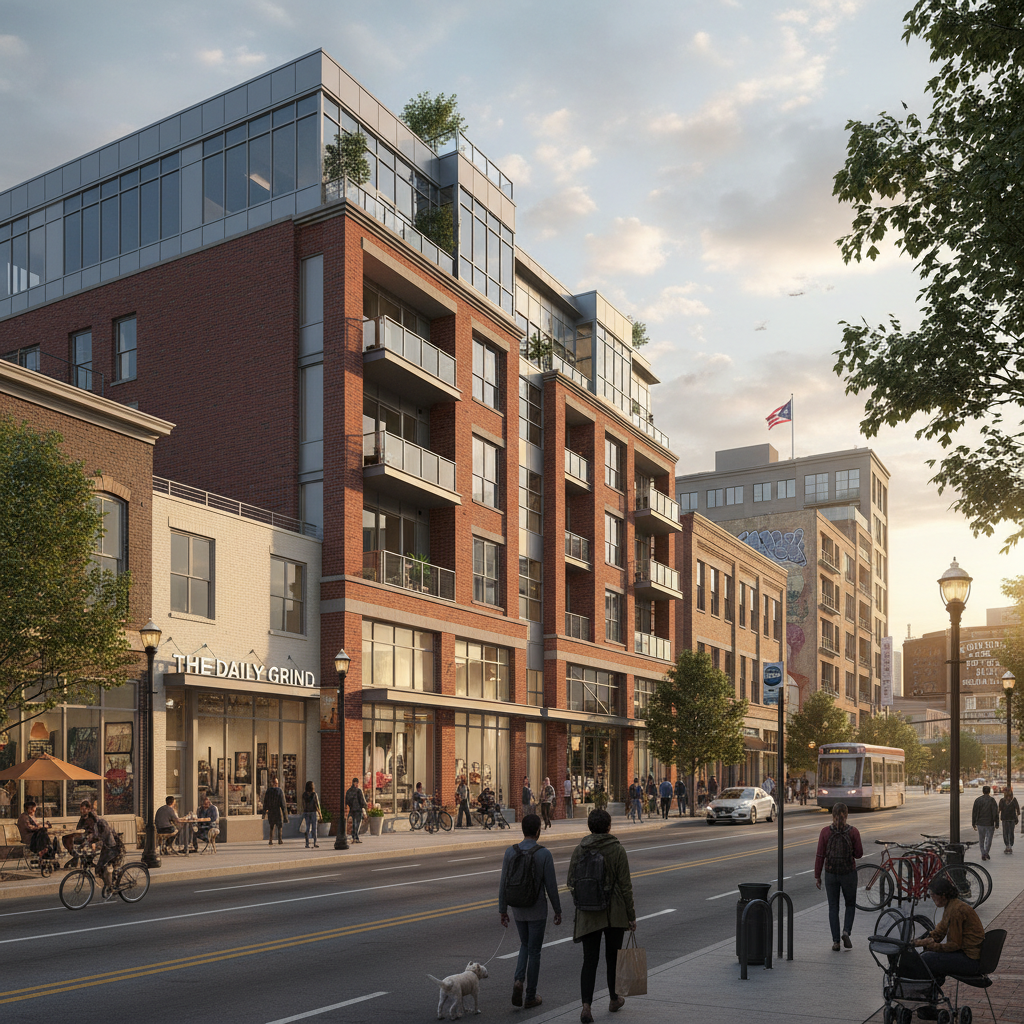
Ohio’s urban centers are seeing a rebound in mixed-use development. In Columbus’s Short North, Cincinnati’s Walnut Hills, and Cleveland’s Detroit-Shoreway area, developers are creating integrated living, working, and retail environments that attract young professionals and remote workers.
Mid-sized cities like Canton and Toledo are also pursuing adaptive reuse of historic buildings into residential-retail combinations. Despite zoning and construction delays, these projects are popular with tenants seeking walkability, amenities, and neighborhood culture—all increasingly valuable in post-pandemic city living.
Niche Assets on the Rise: Senior & Student Housing
Ohio’s aging population and large college presence are supporting growth in senior and student housing alike. In areas like Dublin, Westlake, and Centerville, demand for independent living and assisted living facilities is rising steadily, with occupancy approaching 85–90%, according to NIC MAP Vision.
Meanwhile, student housing around Ohio State, University of Cincinnati, and Kent State remains robust. Modern, tech-enabled units with social spaces and strong connectivity are in high demand. In university towns, pre-leasing rates are strong, supporting investor confidence in this specialized asset class.
Risk Factors and Investment Cautions
Investing in Ohio comes with both opportunities and risks. Flood-prone areas near the Ohio River and parts of eastern Ohio may face rising insurance costs. Legacy industrial buildings in older cities often require costly upgrades and environmental assessments.
Regulatory risks are relatively low compared to coastal states, but investors should be mindful of local zoning codes, tax incentives, and changing municipal policies that affect short-term rental rules and redevelopment.
Although interest rates have stabilized, they remain higher than pre-2022 levels. Conservative underwriting and realistic cash flow modeling remain essential, especially in renovation-heavy projects.
Expert Insight: What the Analysts Say
“Ohio offers a compelling balance of affordability, workforce demand, and stable rents,” says Lauren Bellingham, senior economist at CBRE. “Investors who dig into local trends—like downtown revitalization or logistics expansions—are finding reliable returns.”
Redfin’s 2025 Housing Trends report highlights Ohio’s affordability as a key driver of continued housing demand. Analysts note that migration from coastal cities and in-state population shifts are fueling demand for both rentals and for-sale housing in select counties.
Strategic Diversification is Key in 2025
For investors in Ohio, success in 2025 means staying diversified and regionally focused. Multifamily continues to be dependable, while industrial properties offer some of the Midwest’s best logistics ROI. Suburban SFRs are thriving in fast-growing communities, and niche sectors like student and senior housing are proving resilient.
Mixed-use projects are breathing new life into older urban districts, and mid-sized cities are becoming increasingly relevant as affordability and quality of life drive location decisions.
In a market defined by precision and discipline, those who understand Ohio’s economic map—urban and rural—will be best positioned to outperform in the year ahead.