
- calendar_today August 23, 2025
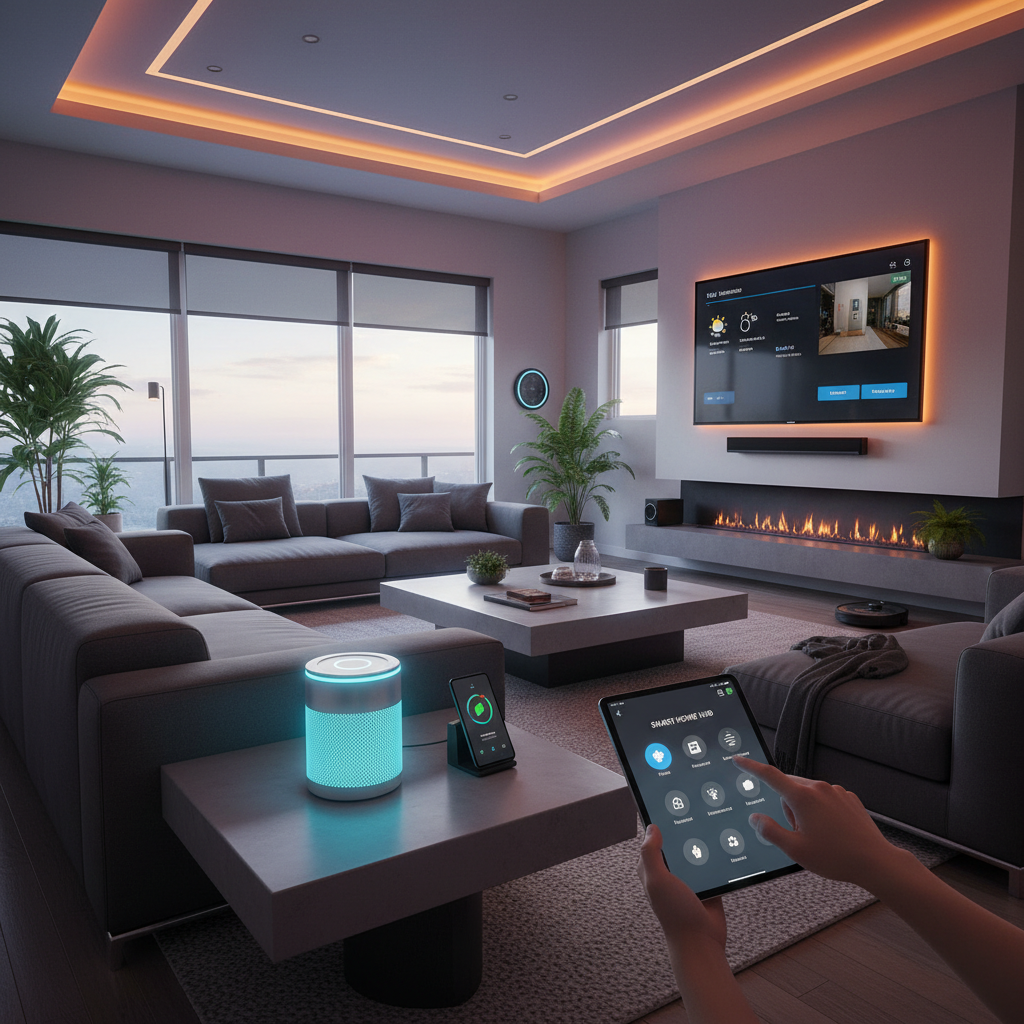
Google is forging ahead with a bold strategy to expand its smart home ecosystem which marks a major transformation of the Google Home app. Google simultaneously works on improving user experience through a comprehensive update while completing the integration of Nest devices into the Home app. This transformation centers around a more extensive integration of Gemini AI which will deliver intuitive control alongside intelligent automation capabilities to connected homes. The expanded support for third-party devices through the Home API together with these advancements creates the foundation for a truly unified smart home experience that operates proactively.
The Google Home app acts as the central control point for managing Google’s smart cameras and thermostats along with smoke detectors as well as various third-party smart devices which are growing in number. Managing different devices in a unified system remains feasible but handling their complexity presents significant challenges. The integration of artificial intelligence through Gemini represents Google’s solution for creating a smooth user experience in smart home management.
Gemini’s Expanding Reach: From Labs to a Unified Smart Home
Last year marked the beginning of this AI-powered smart home initiative through initial Google Home tests involving Gemini integrations. Google is broadening the availability of Gemini’s functionalities for numerous third-party devices through the Home API. This development represents an essential phase in establishing complete smart home interoperability. Google continues to collaborate closely with chosen partners to integrate their devices before releasing them to the general public. The recently launched First Alert smoke/carbon monoxide detector along with the Yale smart lock which replaces Google’s former Nest devices stand as early adopters of this advanced integration. The company works with innovative partners such as Cync Lighting, Motorola Tags, and iRobot vacuums to cover various smart home technology areas.
This Gemini expansion stands out because it has the power to transform smart home automation systems. Through its Labs program, Google has developed these features to enable users to create sophisticated routines through conversational AI with exceptional simplicity. You can command Gemini to set up automation for package delivery reminders or unwanted animal detection in your garden without having to navigate complex menu systems. The implementation of natural language interaction will enable smart home automation for users who lack technical skills while reaching a broader audience. As Gemini extends its support to the automation API, more smart home devices will become accessible to it which allows Gemini to deliver smarter automation suggestions. Google announced that the Gemini expansion will bring more real-world condition triggers like specific dates and weather patterns to increase home automation sophistication and relevance.
The sophisticated nature of current smart home systems frequently hides what activities occur inside the residence. Google Home’s “favorites” page offers some simplification but Google plans to release a new tool that delivers faster and easier-to-understand information. The Home Summary Widget delivers real-time updates about your connected home directly to your Android device. The dynamic widget serves to alert you about package deliveries at your doorstep and lights being left on accidentally. The quick overview information delivers security and helps users manage their homes more effectively.
The innovative Home Summary Widget is currently under test on a select few Pixel phones. Google plans to expand the Home Summary Widget availability through its Labs program in the near future so more users can test its features and provide feedback. Google shows restraint regarding a general public release as it avoids making definitive commitments at this stage. The careful deployment strategy demonstrates Google’s dedication to thorough testing and improvement before expanding distribution.
Google suggests that developers who want to explore these new APIs and contribute to the evolving Google Home ecosystem should subscribe to its smart home developer newsletter. Subscribers to Google’s smart home developer newsletter will get timely updates when the early access program for these new capabilities begins later this year. The message is clear: Google’s smart home development goes beyond refinement as it calls on developers to help create tomorrow’s intelligent living. Under Gemini’s leadership and through its renewed commitment to open standards Google Home promises to become a more intuitive and automated solution that provides everyone with a truly smart home experience. Google demonstrates its dedication to smart home development through ongoing efforts to enhance integration capabilities and controls while offering proactive insights for everyday life functionality.