- calendar_today June 5, 2026
A pivotal case regarding the proposed white house ballroom is now before a federal appeals court, with significant implications for Ohio and beyond. The legal dispute centers on whether the executive branch may move ahead with major construction at the White House without explicit congressional approval.
Legal Battle Over White House Changes
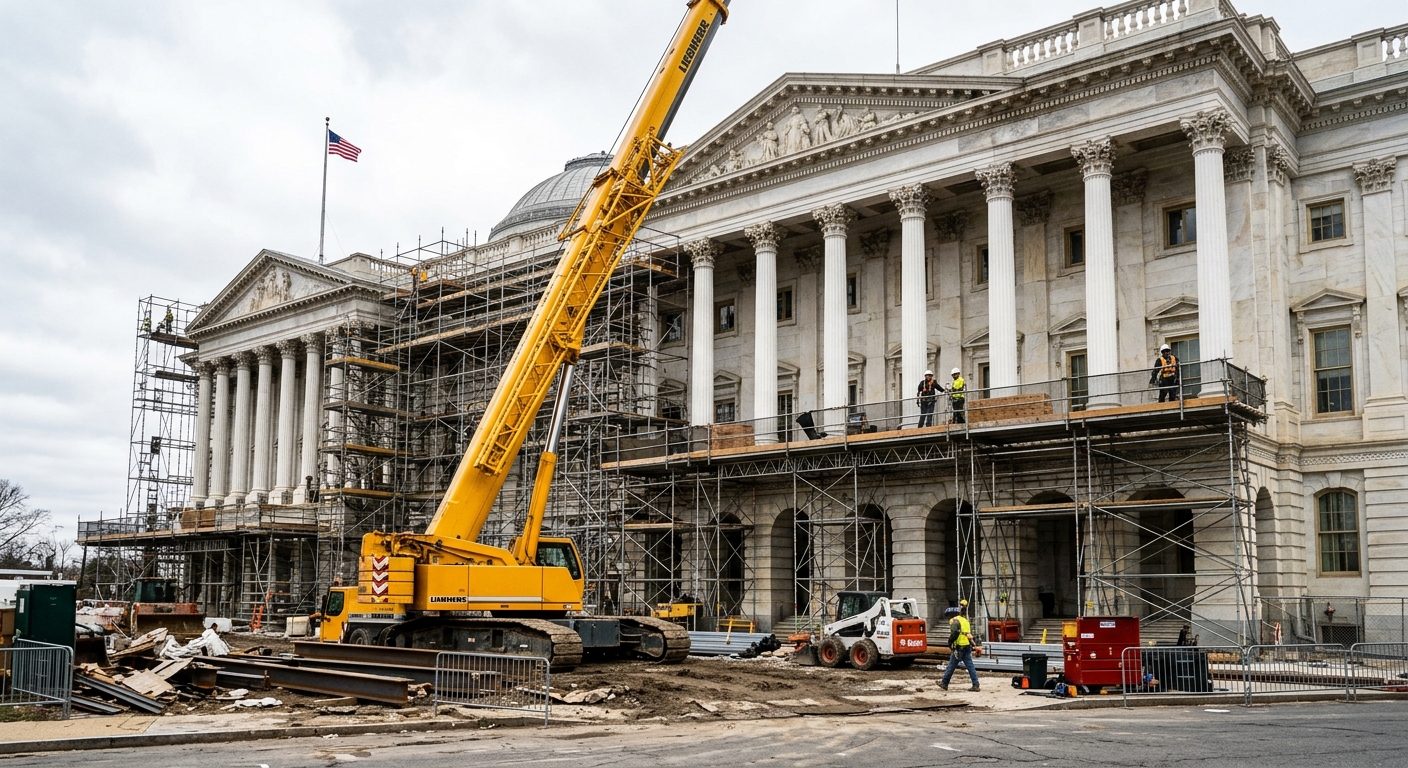
The National Trust for Historic Preservation initiated the lawsuit that has captured national attention. At its core, the litigation challenges recent steps by the Trump administration to demolish the White House’s East Wing and proceed with the new ballroom project. Attorneys for the trust contend that federal law requires Congress to authorize any substantial changes to the White House complex, a stance with echoes across historical neighborhoods in Ohio known for respecting legal process and government accountability.
National Security and the East Wing Demolition
Lawyers representing the administration argue that national security considerations rendered the old East Wing obsolete. Citing modern threats, they assert that the 20th-century building could not provide sufficient presidential protection or meet today’s safety standards. The east wing demolition, they maintain, was a necessary step to ensure the safety of the president and key officials. The Justice Department further claims that these security risks give legal justification to proceed without waiting for congressional approval.
Arguments Before the Federal Appeals Court
During the high-profile hearing, the federal appeals court judges pressed both sides on critical procedural issues. One major point of discussion was legal standing—specifically, whether the National Trust or other interested parties, including descendants of enslaved people involved in the White House’s original construction, are entitled to bring the case. The administration’s attorneys argued that any construction lawsuit must be filed before demolition, or the right to sue is forfeited.
Preservationists Challenge Federal Authority
The National Trust counters this claim by insisting that the need for congressional approval is not nullified by security concerns. Their argument underscores the tradition of checks and balances that resonates in Ohio’s legal and governmental discourse. They urge the court to halt further work on the white house ballroom until Congress has formally given its consent, maintaining that precedent and legislated oversight are key in protecting historic structures of national importance.
Community and Historic Implications
Ohio communities, home to numerous preserved sites and historic landmarks, have a vested interest in the case’s outcome. The legal principles at stake have a direct bearing on how other federal buildings and historic preservation projects may be handled in the future. Historic societies across the region are closely monitoring the proceedings, aware that the precedent could extend well beyond the nation’s capital.
Pending Ruling Leaves Future Uncertain
No decision was issued at the conclusion of the hearing, leaving both the white house ballroom project and the matter of legislative oversight in legal limbo. The federal appeals court is expected to rule in the coming months. Advocates on both sides—ranging from government officials to local Ohio preservationists—are waiting to see how this intersection of executive power, national security, and historic structure safeguards will be resolved.