
- calendar_today August 7, 2025
As Ohio’s commercial real estate (CRE) landscape evolves, landlords across key urban hubs are adapting to structural changes that emerged during the pandemic and continue to shape leasing behaviors. From downtown Cleveland’s corporate corridors to the suburban stretches outside Columbus, Ohio property owners face a delicate balance between optimism and operational strain.
Office Vacancies Fuel Long-Term Strategy Shifts
The state’s urban cores — particularly Cleveland, Columbus, and Cincinnati — are experiencing notable levels of office space vacancy. The ongoing normalization of hybrid and remote work patterns has prompted businesses to rethink traditional leasing commitments. As a result, several commercial buildings now stand partially empty, leaving property owners scrambling for sustainable strategies.
“There’s still demand, but it looks different,” said Kevin Moretti, a real estate analyst based in Columbus. “Tenants want smaller, more flexible workspaces. They’re prioritizing location and amenities over square footage.”
This adjustment in tenant expectations has compelled landlords to redesign spaces or subdivide floors to attract multiple smaller tenants. Shared office configurations, lounge-style communal areas, and tech-forward infrastructure are increasingly viewed as essential — not luxuries.
Retail Sector Finds Pockets of Stability
Ohio’s retail segment presents a more nuanced picture. While shopping habits have shifted online, certain commercial corridors in Dayton and Toledo are witnessing a resurgence in foot traffic, especially in mixed-use developments where retail is integrated with housing and entertainment.
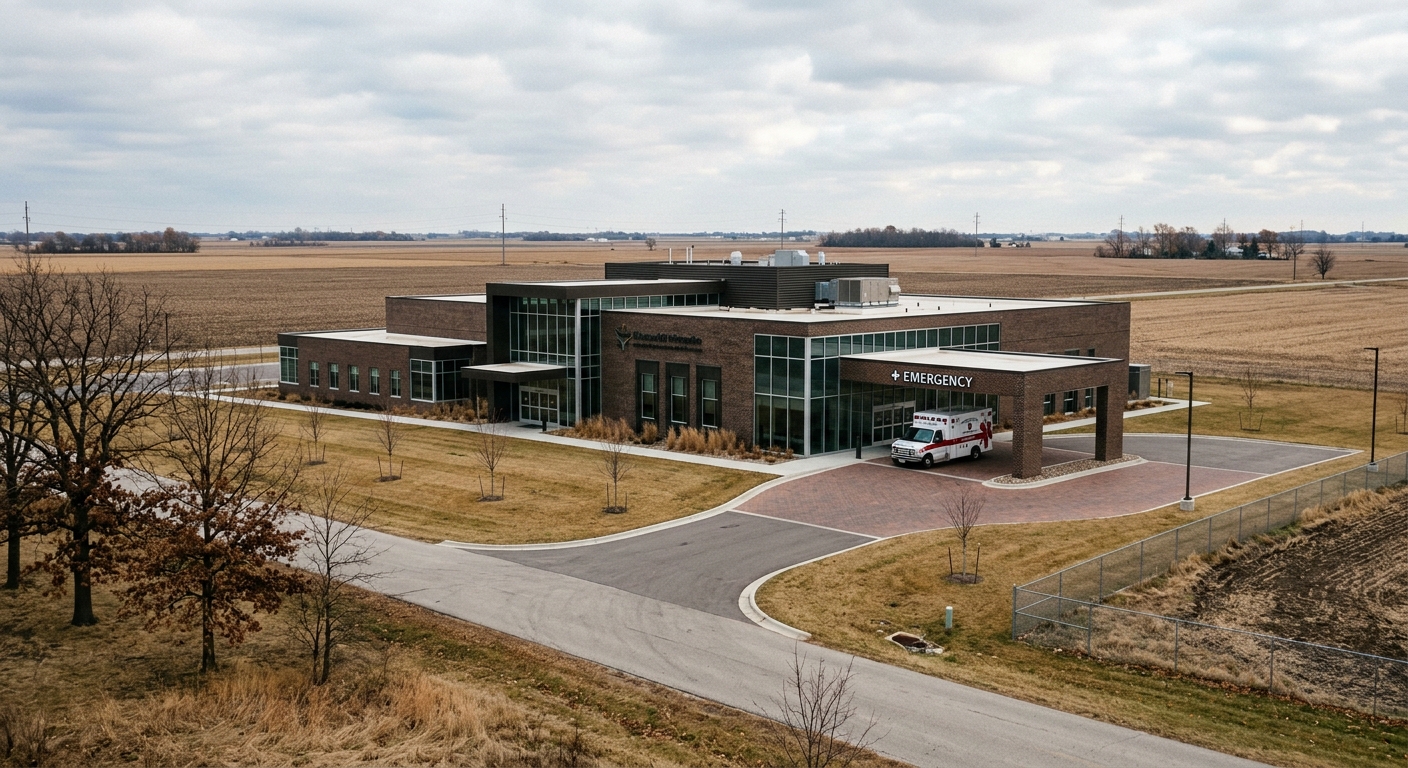
Landlords who pivoted early to experiential or service-based tenants — including medical offices, wellness centers, and boutique fitness studios — are faring better than those anchored to traditional big-box retail. Lease renewals are happening, albeit at cautious rates and often with flexible terms.
“Retail’s not dead in Ohio,” noted Sarah Jenkins, who manages several retail plazas in Akron. “But landlords have to stay creative. People want reasons to leave their homes — that means experiences.”
Industrial Real Estate Still Outperforming
In contrast to office and retail, Ohio’s industrial sector remains strong. The state’s strategic location within the Midwest distribution network has kept demand high for warehouse and logistics facilities, especially near Columbus and along I-75.
Several logistics companies expanded operations throughout 2023, benefiting landlords with long-term leases and steady income. However, developers are proceeding cautiously with new builds, wary of saturating the market just as economic conditions tighten.
Higher Interest Rates Pressure Owners
Despite some sector resilience, landlords face a mounting challenge: higher interest rates. Refinancing costs have risen sharply, and property owners with loans nearing maturity are under pressure to either sell, recapitalize, or renegotiate with lenders.
This is especially evident in older office properties in downtown Cleveland and Cincinnati, where falling property valuations further complicate the refinancing landscape. Analysts warn that without sufficient rental income or new investment, some landlords may struggle to meet debt obligations.
Cautious Optimism for the Second Half of 2025
Looking ahead, many Ohio landlords remain cautiously optimistic. Some point to stabilizing rental rates and increased tenant inquiries as signs that the market may be bottoming out. In Columbus, new government initiatives aimed at attracting businesses to downtown are also generating interest among investors and property owners.
“There’s still a path forward,” said Moretti. “But it’s going to require smarter leasing models, more tenant engagement, and, frankly, some patience.”
As the broader U.S. economy charts its course, Ohio’s CRE stakeholders are watching carefully. They know recovery is underway — but not without risk.