- calendar_today August 12, 2025
Ohio companies and investors weather economic uncertainty as Trump’s trade policies reshape the state’s economic landscape.
Ohio’s economy is weathering the effects of Donald Trump’s trade policies, with local companies and financial markets coping with heightened volatility and economic uncertainty. Tariffs on large imports and renegotiated trade agreements have taken effect, and Ohio’s manufacturing, farm, and retail sectors need to adjust to a new economic landscape.
Being a swing state with substantial industrial presence, Ohio’s response to Trump’s trade policy is of national significance. From steel production in Cleveland to agriculture in rural villages, the spillover consequences of U.S. trade policy decisions are affecting business strategies and consumers’ prices around the state.
Ohio’s Manufacturing Sector Faces Higher Costs
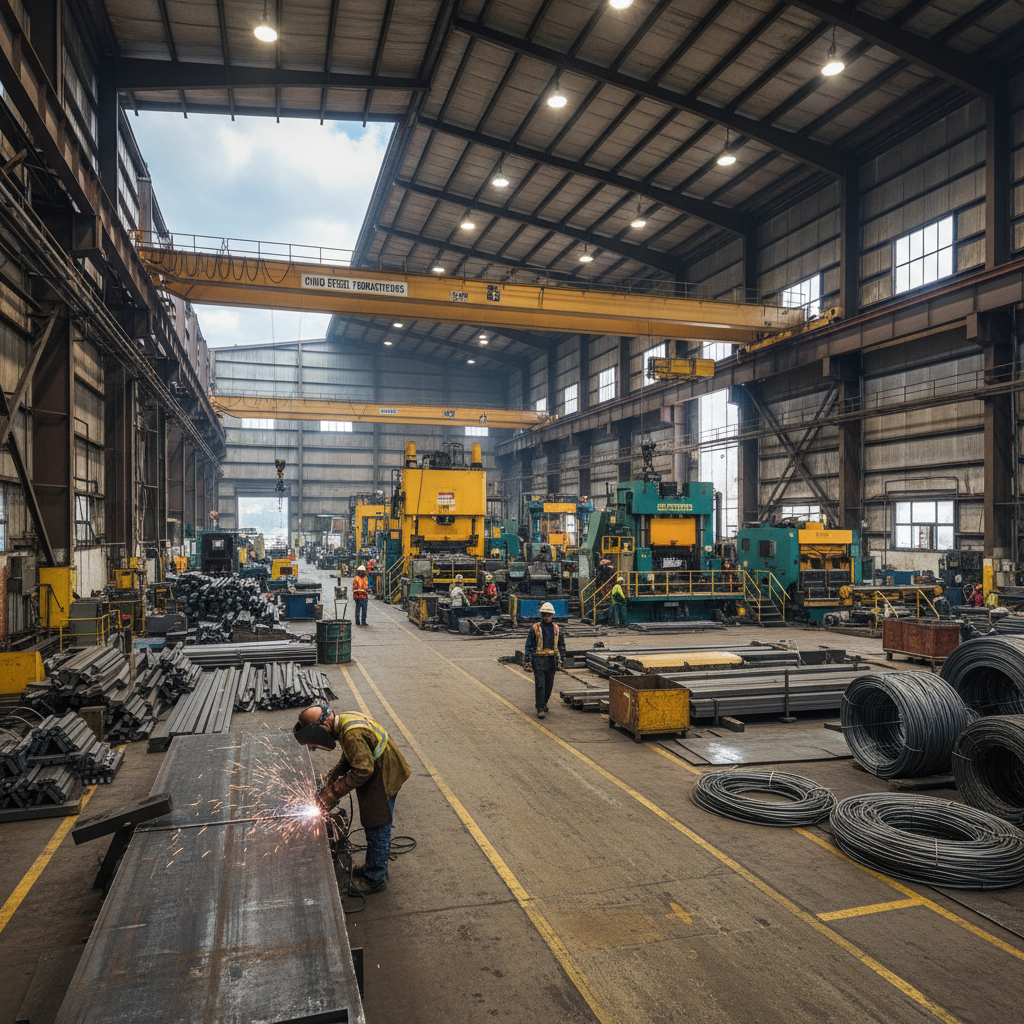
Ohio’s manufacturing base, the backbone of the state’s economy, is absorbing the cost of higher input prices due to tariffs placed on steel, aluminum, and electronic parts. Rust Belt manufacturers utilize global supply chains to purchase raw materials, and Trump’s protectionism has greatly raised their cost of doing business.
In Cleveland and Toledo, industries that make automotive parts and machinery are struggling with higher prices for foreign-made goods. The manufacturers have passed the added expense to consumers in some cases and are absorbing the losses in others so that they remain competitive.
According to industry executives, trade talk uncertainty is slowing down capital spending and hiring plans. Businesses that once had stable supply chains now have uncertain cost models, impacting long-term growth plans.
Agriculture Feels the Squeeze
Ohio’s agricultural industry is also feeling the economic impact of Trump’s trade policies, including tariffs on soybeans, corn, and dairy products. As China—once a large buyer of U.S. farm exports—imposes retaliatory tariffs, Ohio farmers are looking around for other markets.
In rural counties like Wayne County and Fairfield County, the diminished export demand has led to decreased commodity prices and lower farm incomes. Farmers are worried that sustained trade tensions can bring long-term damage to global alliances.
State and federal government officials are being urged by local farm organizations to embrace tariff relief and trade policy that advances farmers’ interests without losing market access. Unless resolved, the state’s agricultural community may continue to endure economic distress.
Small Businesses Adapt to Rising Costs
In Ohio cities, small firms are grappling with the direct blow of tariff-based price hikes. Tariff-hit import-dependent shops, construction industries, and information technology companies face increasing costs and supply chain breaks.
In Columbus, entrepreneurs observe a rise in the cost of imported consumer goods and materials for construction. A few have had to adjust pricing strategies or seek local alternatives in order to offset the financial limitation. Uncertainty about Trump’s trade policies, however, makes long-range planning challenging.
Ohio business advocacy groups continue to push for policy reforms to stabilize trade relations while protecting local entrepreneurs. They warn that in the absence of greater certainty, small businesses will not be in a position to remain profitable regardless of global economic pressures.
Financial Markets React to Uncertainty
Ohio’s financial markets are not immune to the volatility created by Trump’s trade agenda. Investment firms across the state are facing increased market volatility as investors respond to changing trade scenarios and economic forecasts.
Financial planners in Dayton and Cincinnati are encouraging clients to adopt diversified portfolios that lower exposure to trade-sensitive sectors. They are pushing domestic sectors such as healthcare and technology, which are less susceptible to global trade disruptions.
The banking sector is also revamping lending habits regarding the uncertainty of the economy. Ohio community banks are watching closely at commercial funding and small business lending as consumers attempt to make their way through the uncertain financial environment.
Consumer Spending and Economic Stress
Ohio consumers are beginning to notice the ripple effect of increased tariffs in their day-to-day expenditures. Imported electronics, appliances, and automobiles are becoming more expensive, and households are cutting budgets in anticipation of future price increases.
Households in urban areas like Cleveland and suburban areas like Dublin are paying more on consumer items, affecting disposable income and household savings. The cost burden hits especially hard with middle-class families dependent on low-cost imported goods.
Economic experts warn that ongoing trade tensions could escalate inflationary pressures, making it even more challenging for Ohio households to manage their living expenses.
Political and Business Leaders Urge Clarity
Ohio’s political elite and business leaders are in mutual agreement to clamor for greater clarity and consistency in trade policy. State legislatures are pushing the national government to negotiate trade agreements that protect Ohio’s industry while defending native jobs.
Local business communities are joining with national trade associations to urge balanced policies that encourage economic growth without sacrificing competitive fairness. Business leaders argue that sustained economic prosperity is dependent on the continuation of international relationships and the development local innovation.
The Path Forward for Ohio
As Trump’s trade policies continue to redefine the economic scenario, Ohio’s farmers, businesses, and investors must remain flexible with the uncertainty that grips the situation. As opportunities may lie open for certain industries with protectionist trade policies, for others, the economic struggle will continue until trade tensions ease.
The Ohio response to uncertainty regarding trade will be instrumental in defining the state’s economic future, with the state’s capacity to create prosperity at the local level, as well as impact national politics. The state is currently at the center of the economic conversation, stuck in the complexity of changing international trade dynamics.