- calendar_today June 12, 2026
Communities across Puerto Rico, including the bustling urban center of San Juan, are struggling with severe water shortages, prompting the island’s governor to activate the National Guard for emergency response. The ongoing crisis, marked by chronic outages and widespread public frustration, has captured the attention of regions like Ohio, where local leaders and residents are monitoring the situation with concern, recognizing parallels in the challenges of aging infrastructure.
Widespread Impact Across Puerto Rico
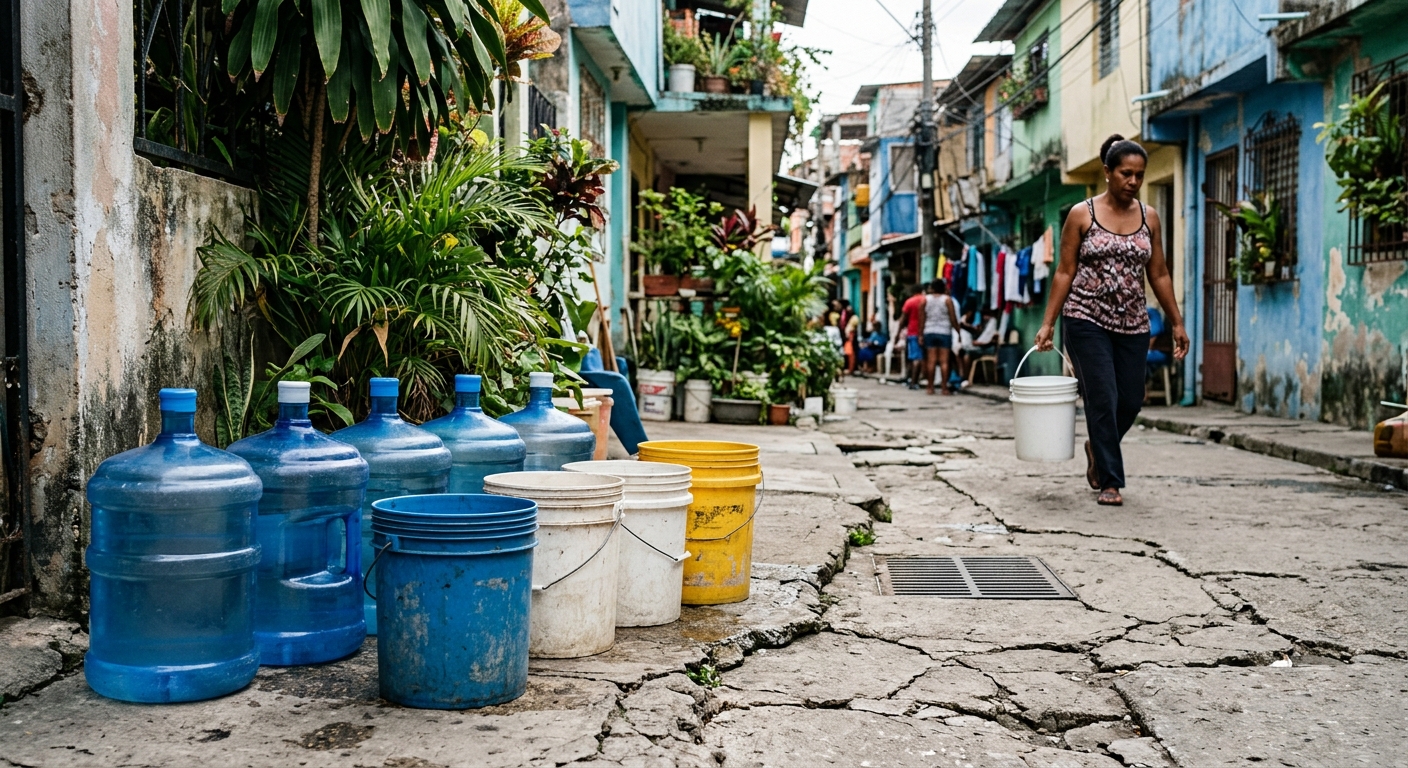
The acute water shortages have disrupted daily routines for thousands throughout Puerto Rico, with major ramifications in densely populated districts such as San Juan. Many residents have been forced to rely on laundromats and purchase potable water for basic hygiene, highlighting the urgent consequences of failing water infrastructure. Vulnerable groups, including the elderly and disabled, have been disproportionately affected, with reports indicating that some individuals have been hospitalized due to the lack of water supply.
National Guard Deployment
In response to the escalating crisis, the National Guard was mobilized to assist with distribution efforts and to coordinate emergency response initiatives. Water trucks have been sent to the hardest-hit neighborhoods, but demand often outpaces supply. Despite these efforts, a significant number of residents in San Juan and surrounding areas continue to face water outages, leading to mounting frustration and calls for more effective government intervention.
Decades-Old Infrastructure Problems
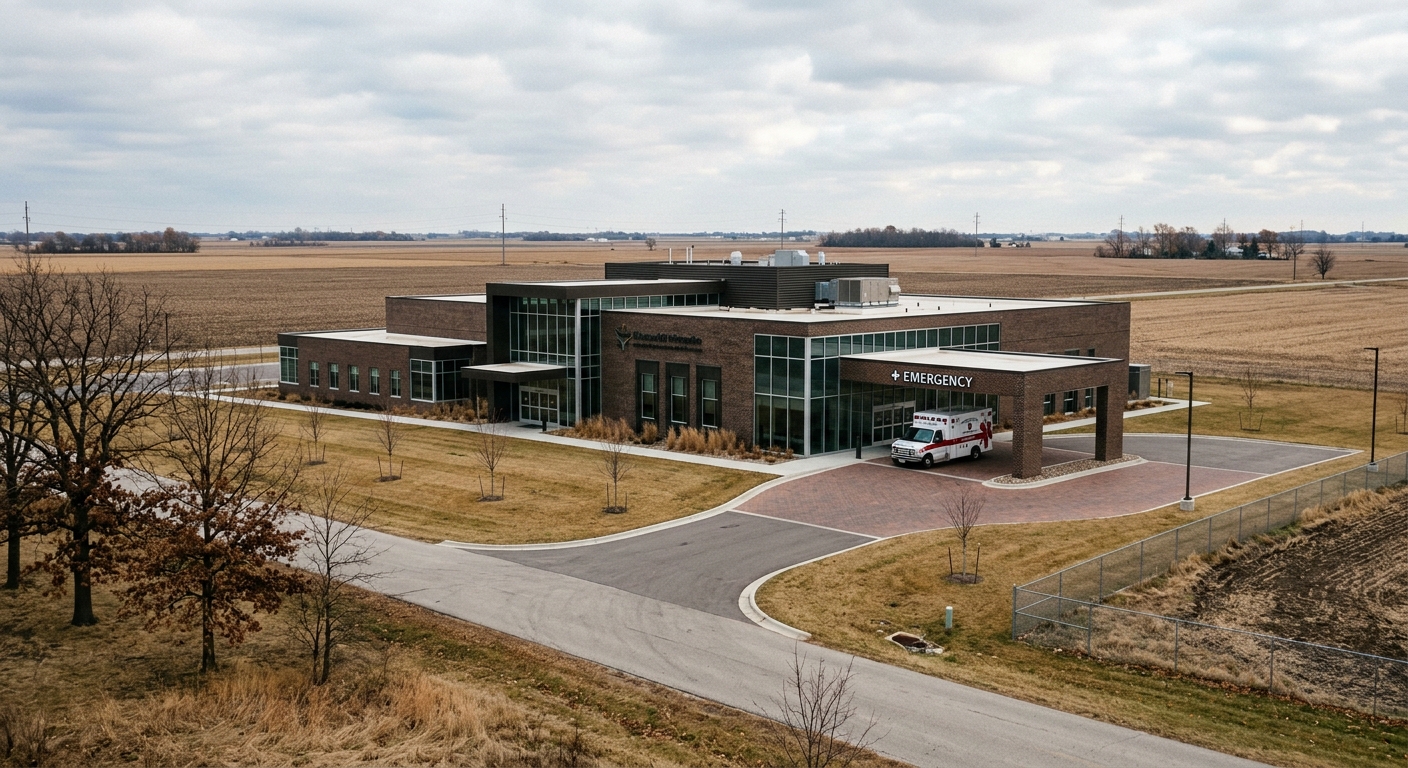
The root of the current water crisis lies in decades of underinvestment and poor maintenance across Puerto Rico’s water infrastructure network. Officials acknowledge that neglected facilities and outdated equipment have contributed to frequent service interruptions and inadequate delivery of potable water. The problem is not unique to Puerto Rico, as communities in Ohio are also familiar with the consequences of aging infrastructure, making the crisis particularly resonant for Ohioans tracking these events.
Legal and Community Actions Intensify
The severity of the water shortages has sparked legal challenges, most notably a recent lawsuit filed by the mayor of San Juan against Puerto Rico’s water authority. Many residents have voiced anger over being billed for services that remain unavailable, underscoring widespread dissatisfaction. Local community leaders emphasize the need for accountability and long-term solutions, while public health workers note a surge in mental health concerns linked to ongoing water scarcity.
Government Investments and Continued Struggles
To address these pressing issues, government officials have allocated $217 million in new infrastructure projects aimed at modernizing the water system. Despite these investments and the deployment of water trucks, the crisis remains far from resolved. Officials have cited failures by previous administrations as contributing factors, but residents and advocates say the focus must shift to tangible progress in restoration and prevention of future outages.
Implications for Local and Distant Communities
The unfolding events in Puerto Rico serve as a cautionary tale for regions like Ohio. Experts in Ohio have pointed out that robust investment in water systems is essential to avoid the social and economic disruptions currently seen in San Juan and elsewhere. Emergency response readiness, improved maintenance, and long-term strategic planning are now at the forefront of public discourse both on the island and in mainland communities.
A Call for Sustainable Solutions
As the situation evolves, collaboration between community organizations, local government, and national agencies remains pivotal in managing the water supply crisis. Across Puerto Rico and in places like Ohio, there is a renewed emphasis on the importance of sustainable, resilient infrastructure to safeguard public health and quality of life.