
- calendar_today August 28, 2025
Microsoft is showing its commitment to handheld gaming by actively optimizing Windows for better performance on portable devices. The creation of Microsoft’s new Xbox-branded user interface for devices such as the ROG Xbox Ally represents their most substantial effort to date in this market segment. Valve’s Steam Deck along with its Linux-based SteamOS has established itself as the leading benchmark for portable PC gaming at this moment in time.
The Steam Deck by Valve shows its imperfections by needing Proton for Windows games and supporting limited native options but proves that gamers seek handheld devices without Windows. Even though Proton has reached maturity with excellent compatibility capabilities SteamOS remains unable to provide a seamless replacement for Windows.
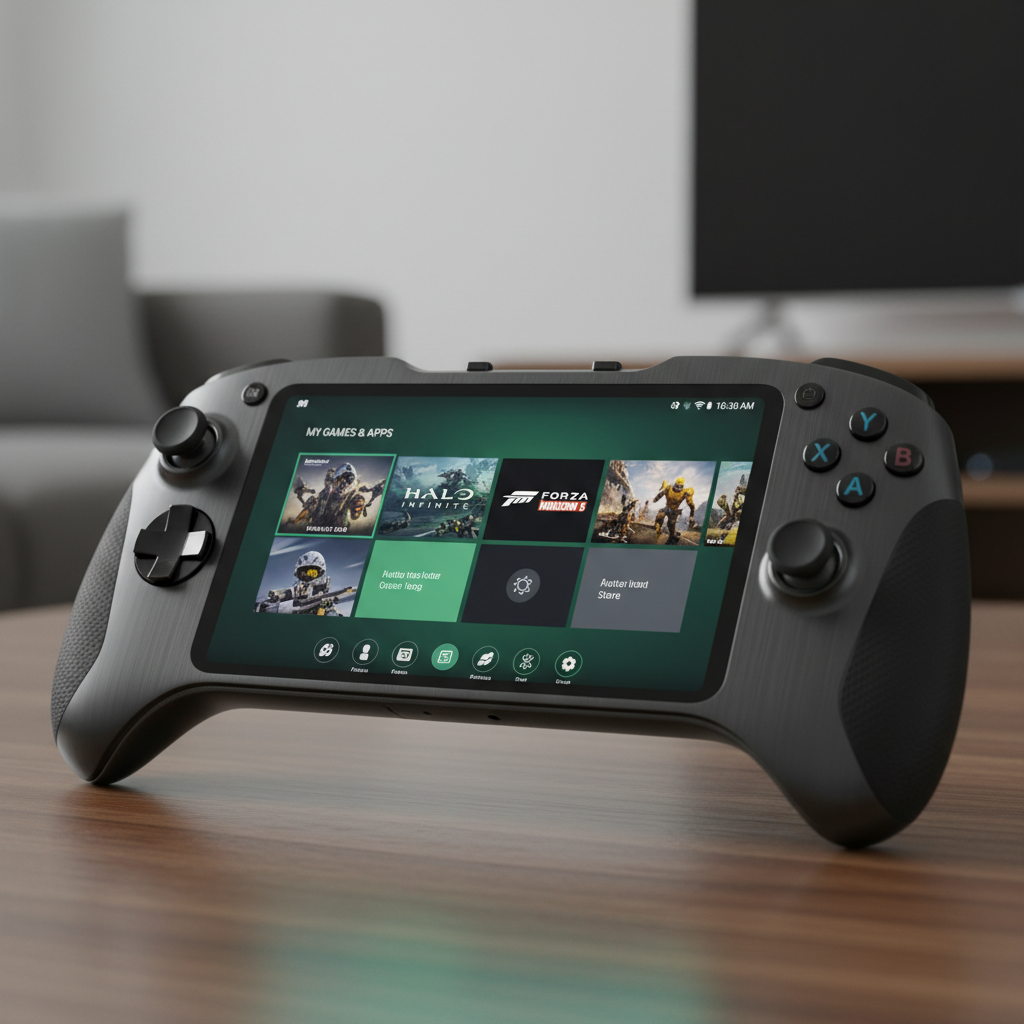
Yet, Microsoft and Asus are betting on a new formula: Microsoft and Asus aim to provide gamers with a comprehensive gaming solution built upon traditional Windows systems. The ROG Xbox Ally will launch as the inaugural device to showcase this new user interface which offers a gamepad-specific Xbox-style tile-based interface. It’s clean. It’s immersive. The interface replicates the gaming experience that players associate with Nintendo Switch devices and authentic Xbox consoles.
The move is far from cosmetic. According to Microsoft The Verge reported that the new interface will extend beyond the Ally series and will start appearing on additional Windows handhelds next year. Microsoft has not confirmed the origin of the new UI but its resemblance to the 2022 internal “Windows Handheld Mode” pitch deck is undeniable. The internal proposal pinpointed touch optimization issues along with controller support and Windows’ overall clunkiness as main obstacles.
A Lighter, Faster Experience
The new Xbox UI demonstrates a major technical achievement through its lightweight structural design. The ROG Xbox Ally works as a complete replacement for Windows’ standard desktop and taskbar interface. The redesign will free up several gigabytes of RAM while decreasing total system resource consumption. Users will find improved performance and longer battery life while enjoying an experience similar to conventional consoles.
Traditional handhelds that operate on standard Windows like the original ROG Ally suffer from resource demands caused by Windows as well as Asus’ Armoury Crate software. Windows required extra bloat to be functional on handheld devices. The Xbox UI from Microsoft successfully removes a significant amount of the excess system resource usage.
The desktop experience remains fully available to users who wish to keep using it. Users can still access the complete Windows desktop environment whenever they decide to open it. Gamers benefit from a dual-interface system that provides a streamlined gaming interface while maintaining access to the traditional Windows layout for productivity tasks and advanced settings.
The real story extends beyond features because timing plays the crucial role. Microsoft has shown a slow response to the release of the Steam Deck. At first, the Deck seemed too unrefined to be significant. Valve persisted with SteamOS which resulted in its gradual improvement and expansion. The system now includes support for non-Steam Deck devices such as certain handheld products from Asus.
Linux gaming powered by Proton and Wine has experienced significant growth in a period lacking innovation. Players can access most Windows games without needing to use the Windows operating system thanks to these tools. The adoption of these tools undermines Microsoft’s primary advantage which is compatibility. And it’s working. Linux desktop market share reached 4% last year marking a significant achievement that would have been impossible to believe a short time ago.
It’s too soon to see a mass exodus from Windows as users still largely depend on it. The traditional dependency cycle faces a significant challenge. The Windows operating system was the standard platform for running games and apps for many years. SteamOS and similar platforms now supply a viable alternative to traditional systems.
And Microsoft has taken notice.
The company has launched an Xbox UI for handhelds as a move to regain authority in a category which it previously neglected. Whether it succeeds remains uncertain. Microsoft’s transformation of Windows into a leaner touch-friendly and gamepad-compatible system demonstrates their recognition that gaming will not remain confined to traditional desktop setups or exclusive to Windows platforms.
Consumers need to determine if the fresh Xbox-enhanced Windows experience will attract players Microsoft previously neglected.