
- calendar_today June 4, 2026
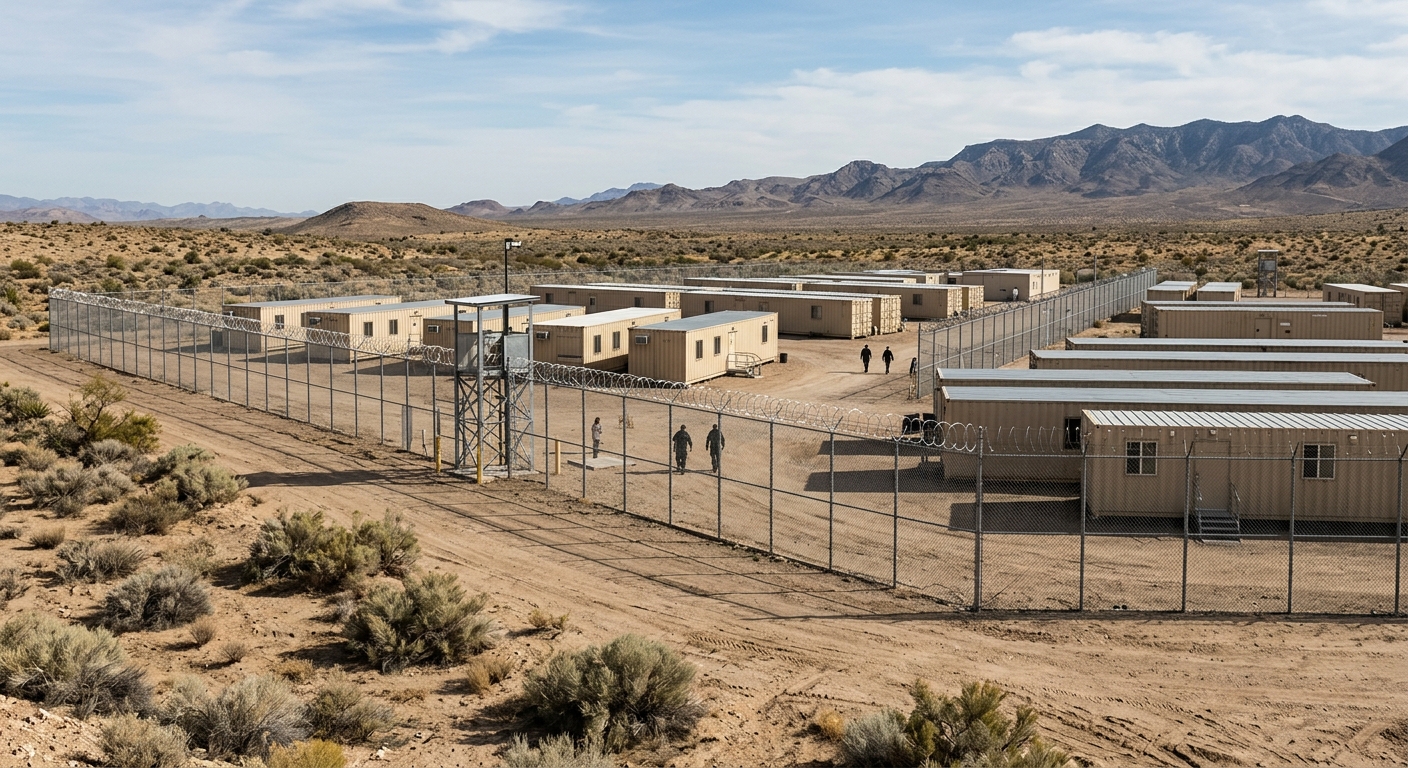
Ohio — Heightened concerns over a recent measles outbreak at the Camp East Montana immigration detention center on the Fort Bliss military site in El Paso, Texas, have drawn the attention of public health experts and officials, including those in Ohio. The quarantine of 178 detained individuals after confirmed measles cases has put the spotlight on the challenges of disease control in such facilities and the broader implications for regions across the country.
Rising Threat: Detention Centers and Disease Transmission
The latest measles outbreak follows the confirmation of two new measles cases among detainees, prompting immediate intervention by health authorities and guidance from the Texas Department of Health. In response, the exposed individuals were placed into separate cohorts within the detention center, initiating robust quarantine measures to limit further transmission. Such protocols have become standard as high-density living conditions in immigration detention facilities increase the risk of infectious disease spread among vulnerable populations.
National Wave Reflected Locally
This outbreak is part of a larger trend, with over 1,600 measles cases reported across the United States from January to March 2026. That number alone accounts for a startling 73% of the total cases seen in 2025—making the national impacts of these outbreaks relevant to Ohio’s public health planning, particularly in cities with significant immigrant communities or detention operations. Local hospitals and clinics in Ohio have heightened awareness campaigns and reviewed their isolation protocols in coordination with federal and state public health agencies.
Repeated Incidents at Fort Bliss Raise Alarm
This recent crisis at Camp East Montana represents the second known measles outbreak at the facility, following a March event in which 14 people fell ill. Located on the Fort Bliss military base near El Paso, Texas, the center has frequently come under scrutiny for its ability to manage such health emergencies. The recurrence is prompting renewed national debate about the adequacy of disease control measures within the U.S. immigration detention system and the impact on both detainees and surrounding communities, including regional areas like Ohio.
Institutional Challenges and Calls for Improved Care
Public scrutiny has intensified in the wake of recent revelations, including a detainee death at the Camp East Montana facility that was ruled a homicide due to asphyxia. Critics have described patterns of inadequate medical care and mistreatment within the detention center and called on authorities to invest in better healthcare resources and staff training. Ohio’s advocacy groups have echoed these concerns, highlighting that standards in immigration detention settings may fall short of those expected across the general population.
Disease Control: Implications for Regional Health
Experts emphasize that isolation protocols, robust vaccination coverage, and the prompt identification of illness are crucial to halting the spread. Ohio’s health authorities are monitoring the situation closely, using it as a case study for developing responses in the event of a local occurrence. Understanding the challenges faced at high-risk locations like the Fort Bliss detention center informs policy for not only federal but also regional and local healthcare institutions.
Long-Term Solutions and Regional Vigilance
The ongoing challenges highlighted by outbreaks like the one at Camp East Montana underline the urgent need for comprehensive reform in managing health within detention settings nationwide. Collaboration between the U.S. Department of Homeland Security, local agencies, and public health officials—from El Paso, Texas, to communities across Ohio—aim to bolster disease control and safeguard both detainees and local populations. With lessons drawn from these events, Ohio stands prepared to adapt health strategies, ensuring swift response to future threats of infectious diseases within its borders.