
- calendar_today June 11, 2026
The planned sale of the former Beckjord coal plant in Ohio has thrust regional environmental concerns into the spotlight, as Clermont County officials intensify demands for the cleanup of dangerous coal ash contamination threatening local communities and the Ohio River.
Clermont County Acts to Safeguard Communities
Spearheaded by the Clermont County Department of Community and Economic Development, the 460-acre Beckjord coal plant site in Pierce Township is on the market for $13.5 million. While the beckjord coal plant’s sale offers opportunities for site redevelopment and economic transformation, county leaders say unresolved environmental risks remain paramount. The county’s formal Notice of Intent to Sue targets both the current and prior owners, seeking to compel removal of the massive coal ash deposits stored in unlined pits close to the waterway.
Unlined Coal Ash Pits Pose Contamination Threat
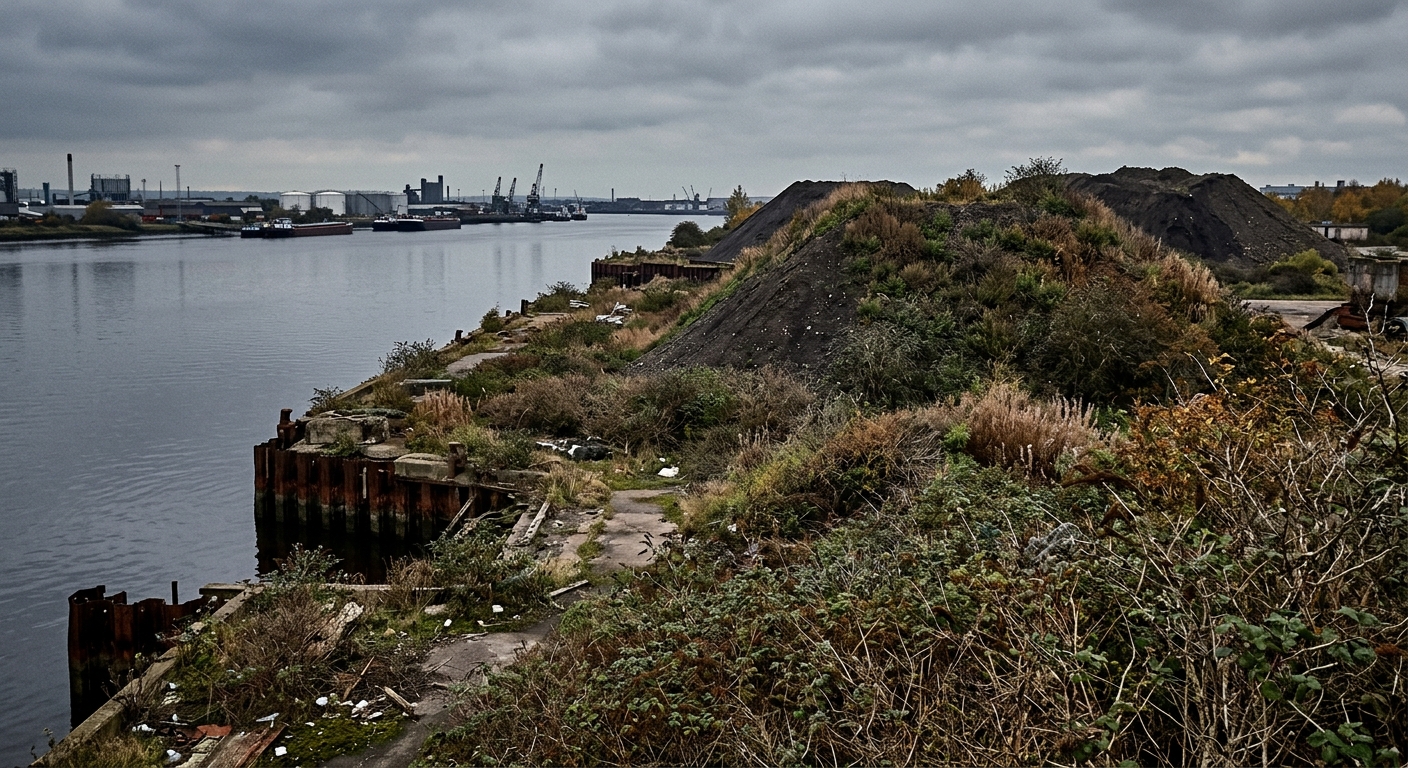
Coal ash contamination is at the center of the dispute. Billions of pounds of coal ash—containing toxic substances like mercury and arsenic—remain onsite in aging ash pits bordering the Ohio River. Local leaders argue this situation creates a profound risk of hazardous materials leaching into the river and potentially infiltrating public drinking water systems. Officials emphasize that without proper excavation and removal, these environmental risks could eventually impact water quality for residents throughout southern Ohio.
Damaged Monitoring and Insufficient EPA Oversight
The situation has been compounded by evidence of inadequate groundwater monitoring at the beckjord coal plant site. County inspectors have noted missing or damaged wells, impeding accurate assessment of pollution migration. Persistent concerns linger among local authorities regarding the adequacy of EPA oversight, as previous regulatory interventions have not satisfied the county’s standards for public safety.
Local Institutions Demand Stronger Protections
Clermont County, home to families who rely on the Ohio River for clean water and recreation, is pressing for proactive measures. Leaders stress that an updated emergency preparedness plan, frequent safety drills, and robust legal action are non-negotiable prerequisites prior to any site redevelopment. Past incidents, such as debris entering the river and insufficient emergency planning, have sharpened calls for accountability and enhanced protective protocols.
Resident Lawsuits and Legal Barriers
Beyond official channels, local residents have pursued legal action over contamination fears linked to coal ash. Legal standing issues, however, have made court proceedings challenging, underscoring the complexity of environmental law and public health advocacy. Regardless, the growing chorus of concern reflects widespread anxiety about the long-term sustainability of regional water systems.
Future Risks and the Cost of Inaction
Officials warn that postponing necessary environmental controls at the beckjord coal plant could inflict severe and costly consequences. Without decisive intervention, Clermont County could face expensive water treatment demands and negative impacts on the Ohio River ecosystem. The emphasis on strong site redevelopment standards and transparent governmental oversight remains central. Leaders maintain that immediate remediation is critical to secure public drinking water, safeguard natural resources, and foster trust between stakeholders and regulatory agencies.
As the sale process continues, the future of the Beckjord site stands as a pivotal test of local government resolve and environmental stewardship in Ohio. The decisions taken now will influence the safety, economy, and quality of life for Clermont County’s residents, establishing a precedent for how aging industrial sites along the river are rehabilitated statewide.